Source Chemical Resistant PTFE Rod for Seals, Bushings, and Linings
Compare 30 chemical resistant ptfe rod options from Chinese manufacturers. Evaluate specifications like diameter, density, and working temperature to find suitable industrial components for your supply chain needs. Review material types, certifications, and customization services to ensure quality and compliance for your specific application requirements.
Key considerations
Products List




Comprehensive Sourcing Guide
Chemical Resistant PTFE Rod Sourcing Guide
Sourcing chemical resistant PTFE rod requires careful evaluation of material purity, dimensional tolerances, and supplier reliability. Polytetrafluoroethylene is renowned for its inertness, making it ideal for harsh industrial environments where corrosion resistance is critical. Buyers must distinguish between virgin and recycled materials, as performance characteristics vary significantly. Virgin PTFE offers superior mechanical integrity and consistent density, typically ranging from 2.1 to 2.3 g/cm³, which ensures predictable behavior under stress. Recycled variants may present inconsistencies in structural strength and thermal stability, potentially compromising long-term component reliability in precision applications.
Procurement decisions should also account for manufacturing origins and available processing services. Most listings originate from major Chinese manufacturing hubs like Zhejiang and Guangdong, offering competitive pricing and flexible customization options. Suppliers often provide cutting services to meet specific length requirements, with standard diameters spanning from 3mm to 500mm. Understanding these geographic and operational nuances helps buyers align their supply chain with quality expectations. Evaluating single package weights and dimensions aids in logistics planning, ensuring that freight costs remain manageable while maintaining product integrity during transit.
Product Scope and Observed Listing Signals
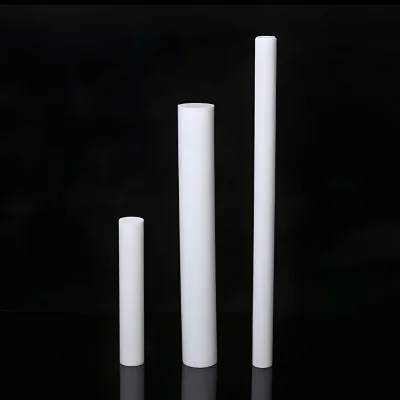
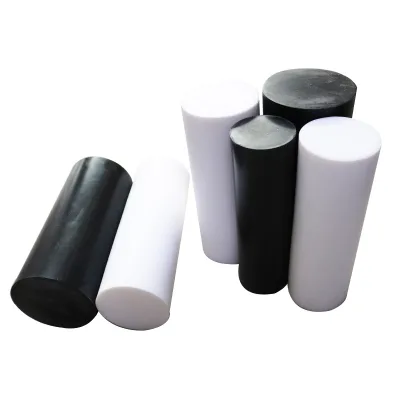
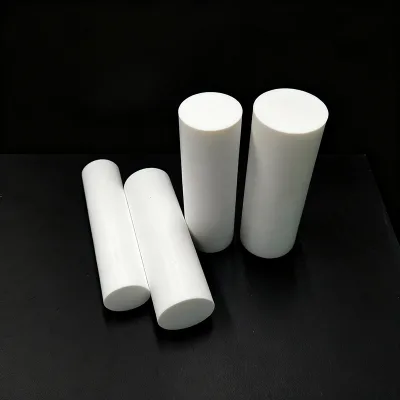
The market for PTFE rods displays a wide range of specifications, reflecting diverse industrial needs. Observed diameter ranges extend from 3mm to 500mm, accommodating everything from small seals to large structural components. Lengths are frequently customized, with some standard offerings spanning 50mm to 1000mm. This flexibility allows buyers to minimize waste by ordering near-final dimensions. Color options are limited primarily to black and white, which may serve as visual indicators of material additives or purity levels. Buyers should verify if color variations correlate with specific performance traits or are purely aesthetic choices for identification purposes.
Minimum order quantities (MOQs) vary considerably, ranging from small trial orders of 20kg to bulk requirements of 100kg or more. This disparity impacts initial procurement strategy, especially for prototyping versus mass production. Delivery times are generally rapid, with many suppliers promising shipment within 3 to 7 working days. Such agility supports just-in-time manufacturing models. However, buyers must confirm if these timelines apply to stock items or require production lead times for custom sizes. Understanding these logistical signals helps in planning inventory levels and avoiding production delays due to supply chain bottlenecks.
Technical Specifications to Verify
Verifying technical specifications is paramount to ensuring the PTFE rod meets operational demands. Key attributes include water absorption rates, which should be extremely low, typically less than 0.01%, to prevent swelling or degradation in wet environments. Compression strength is another critical metric, with observed values around 24MPa, indicating the material's ability to withstand axial loads without permanent deformation. Elongation at break ranges from 200% to 350%, suggesting good flexibility and resistance to cracking under tension. These mechanical properties must be validated against specific application requirements to prevent premature failure.
Thermal stability and dimensional accuracy are equally important considerations. The working temperature range for PTFE is extensive, typically spanning from -180°C to 260°C, allowing use in extreme conditions. Contraction percentages during processing can vary from 0.4% to 1.4%, affecting final part dimensions. Buyers should request detailed technical data sheets to confirm these ranges for their specific batch. Additionally, verifying the model numbers, such as IDL-PT-001 or FY-XJ0157, helps trace material history and consistency. Ensuring that the supplier provides accurate contraction data allows for precise machining allowances, reducing scrap rates and improving overall manufacturing efficiency.
Compliance and Safety Documentation
Compliance with international standards is essential for global supply chain integration. Many suppliers hold ISO9001 or ISO9000 certifications, indicating adherence to quality management systems. These certifications do not guarantee product performance but suggest a structured approach to manufacturing consistency. Buyers should request valid certificates and verify their authenticity through the issuing bodies. While standards like UL 94 or ASTM D1710 are relevant to PTFE properties, their specific application status should be confirmed with the supplier. Relying solely on generic certification claims without verification can lead to non-compliance in regulated industries.
Safety documentation, including Material Safety Data Sheets (MSDS), is crucial for handling and storage. PTFE is generally inert, but proper handling procedures must be followed to avoid contamination or damage. Buyers should ensure that suppliers provide comprehensive safety information, especially if the material is intended for food-grade or medical applications. Although specific food-grade certifications are not explicitly listed in the provided facts, buyers must inquire about this if relevant. Clear documentation of chemical resistance features helps in assessing suitability for specific chemical exposures, ensuring that the rod will not degrade or leach harmful substances in contact with aggressive media.
Cost Drivers and Commercial Terms
Cost structures for PTFE rods are influenced by material type, quantity, and processing complexity. Virgin material commands a premium over recycled options due to its superior purity and mechanical properties. MOQs significantly impact unit pricing, with larger orders typically benefiting from economies of scale. Buyers should negotiate pricing based on volume commitments while considering the total cost of ownership, including shipping and handling. Single gross weights vary, affecting freight calculations, so accurate weight data is essential for budgeting. Understanding these cost drivers enables more accurate financial planning and prevents unexpected expenses during procurement.
Commercial terms, including payment methods and warranty policies, vary among suppliers. Delivery times are generally short, but buyers should confirm if expedited shipping incurs additional charges. Packaging options, such as wooden cases or cartons, protect the rods during transit but may add to the overall cost. Buyers should evaluate packaging quality to prevent damage, especially for larger diameter rods. Sample availability is often negotiated, allowing buyers to test material properties before committing to large orders. Clarifying these terms upfront ensures transparency and reduces the risk of disputes, fostering a more reliable supplier-buyer relationship.
Supplier Qualification and Quality Control
Supplier qualification involves assessing manufacturing capabilities and quality control processes. Buyers should verify the supplier's production facilities, particularly their ability to maintain consistent density and dimensional tolerances. In-house cutting services indicate flexibility in meeting custom requirements, but buyers must ensure that these services do not compromise edge quality or introduce thermal damage. Requesting sample orders allows for physical inspection of surface finish, color consistency, and dimensional accuracy. This hands-on verification is crucial for identifying potential quality issues before scaling up production.
Quality control documentation, such as batch-specific test reports, provides assurance of material consistency. Buyers should inquire about internal testing procedures for compression strength, water absorption, and thermal stability. Suppliers with robust QC systems are more likely to deliver products that meet specified standards. Additionally, evaluating the supplier's responsiveness to technical queries and their willingness to provide detailed specifications indicates their professionalism and commitment to customer satisfaction. Establishing a clear communication channel with the supplier facilitates quicker resolution of any quality concerns, ensuring continuous supply chain stability.
Long-Term Procurement Checks
Long-term procurement success depends on continuous monitoring of supplier performance and market trends. Regular audits of delivered goods help identify any drift in quality or specification compliance. Buyers should track delivery times and communication responsiveness to assess supplier reliability over time. Maintaining a diverse supplier base mitigates risks associated with single-source dependencies, especially for critical components. Periodic re-evaluation of material costs and availability ensures that procurement strategies remain competitive and aligned with market conditions. This proactive approach helps in anticipating supply chain disruptions and adjusting sourcing strategies accordingly.
Building a strong relationship with suppliers fosters better collaboration and priority treatment during high-demand periods. Sharing long-term volume forecasts with suppliers can lead to more favorable pricing and production scheduling. Buyers should also stay informed about advancements in PTFE technology and alternative materials that may offer improved performance or cost efficiency. Engaging in regular technical discussions with suppliers can uncover new solutions for specific application challenges. By maintaining a strategic focus on quality, cost, and reliability, buyers can optimize their procurement processes and achieve sustainable operational excellence in the long run.
FAQs
What materials are used for chemical resistant PTFE rods?
Chemical resistant PTFE rods are made from virgin material or recycled material. Some specific models use 100% virgin PTFE to ensure high purity. These materials provide excellent chemical resistance and stability for industrial applications requiring durable plastic components.
Which certifications do these PTFE rods typically hold?
Many chemical resistant PTFE rods hold ISO9001 or ISO9000 certifications to verify quality management systems. These certifications indicate that the manufacturing processes meet international standards for consistency and reliability in producing high-performance plastic rods for various industrial uses.
How can I customize the dimensions of PTFE rods?
You can customize the dimensions of PTFE rods through cutting services available from suppliers. The length is often customized to specific needs, while diameters range from 3mm to 500mm depending on the product model. This allows for tailored solutions for specific machinery requirements.
What is the typical delivery time for PTFE rod orders?
The typical delivery time for PTFE rod orders is within 3 to 7 working days. Some suppliers offer delivery within 7 working days, while others may complete shipments in 3 to 5 days. This fast turnaround supports urgent industrial procurement needs effectively.
Can I order samples of chemical resistant PTFE rods?
Samples of chemical resistant PTFE rods are available for many suppliers, though terms may vary. Some vendors offer available samples, while others require negotiation for sample availability. This allows buyers to verify material quality before committing to larger bulk orders.
What are the standard packaging options for PTFE rods?
Standard packaging options for PTFE rods include wooden cases, cartons, or cardboard packaging. Specific models may use wooden cases for heavy items or cartons for smaller units. Packaging is designed to protect the rods during transit and storage in industrial environments.
What is the minimum order quantity for PTFE rods?
The minimum order quantity for PTFE rods varies, with some suppliers requiring 20kg or 100kg. Other options allow for lower quantities starting at 1 unit. Buyers should check specific supplier requirements as MOQs depend on the product model and material type selected.